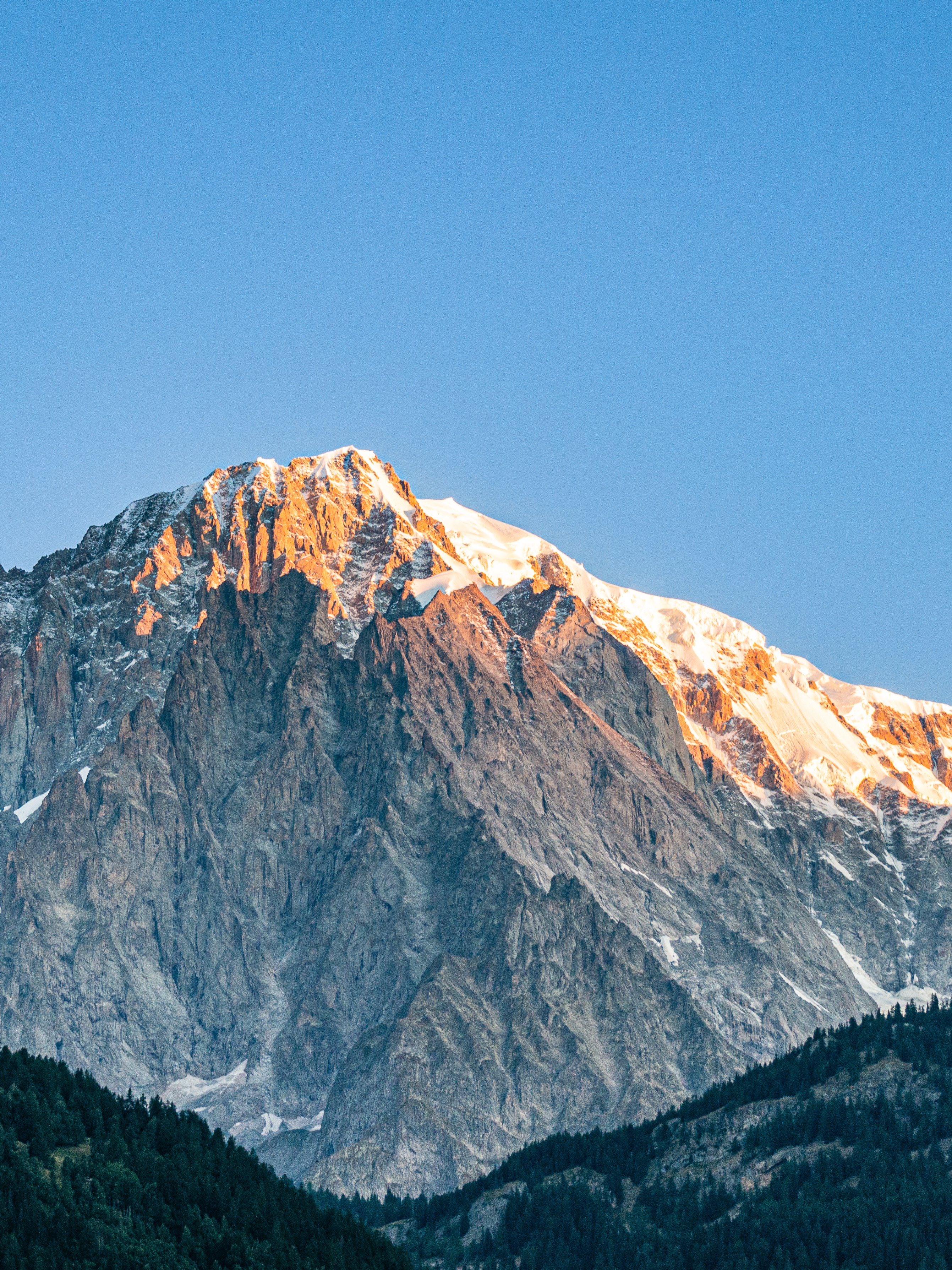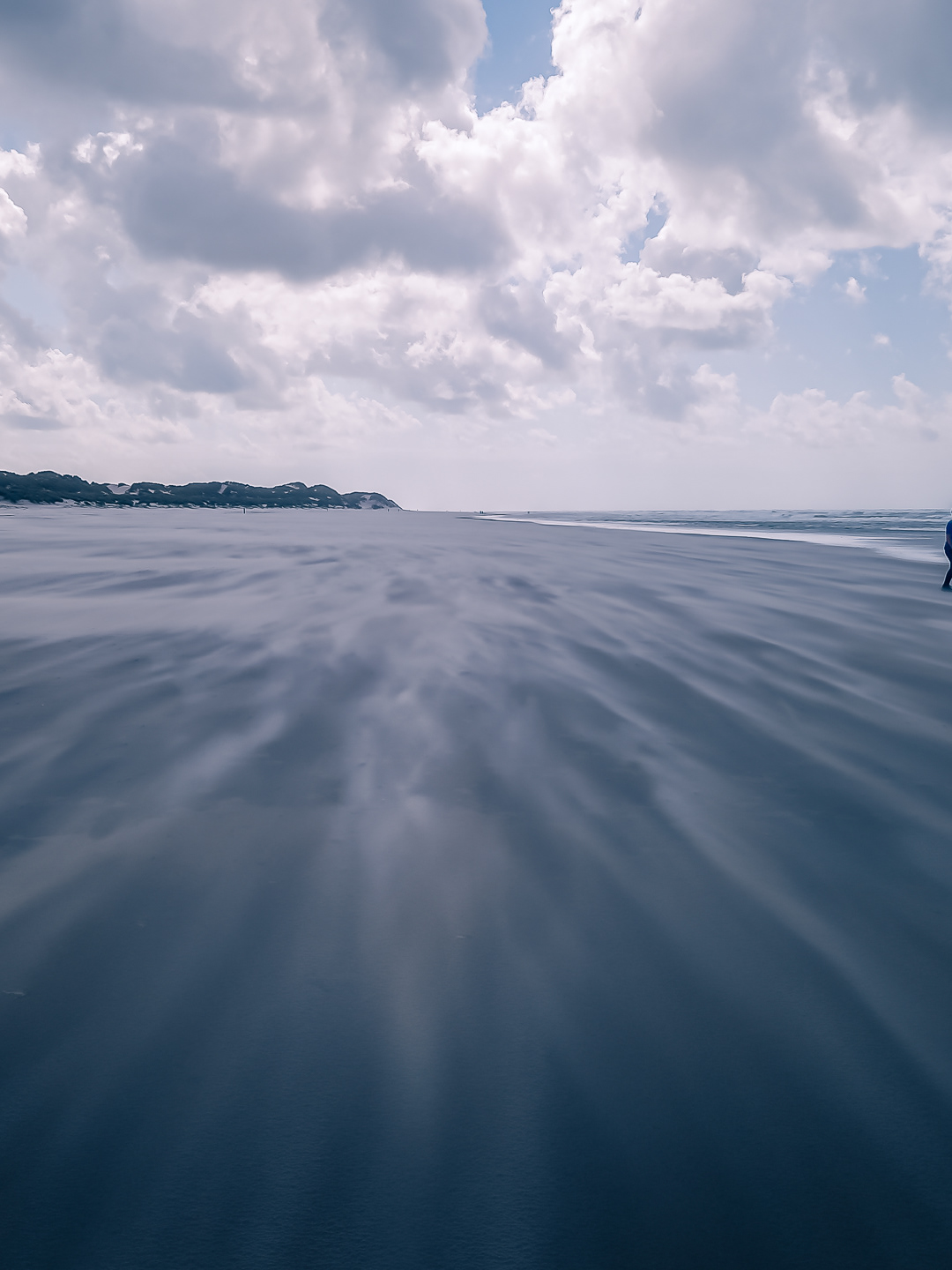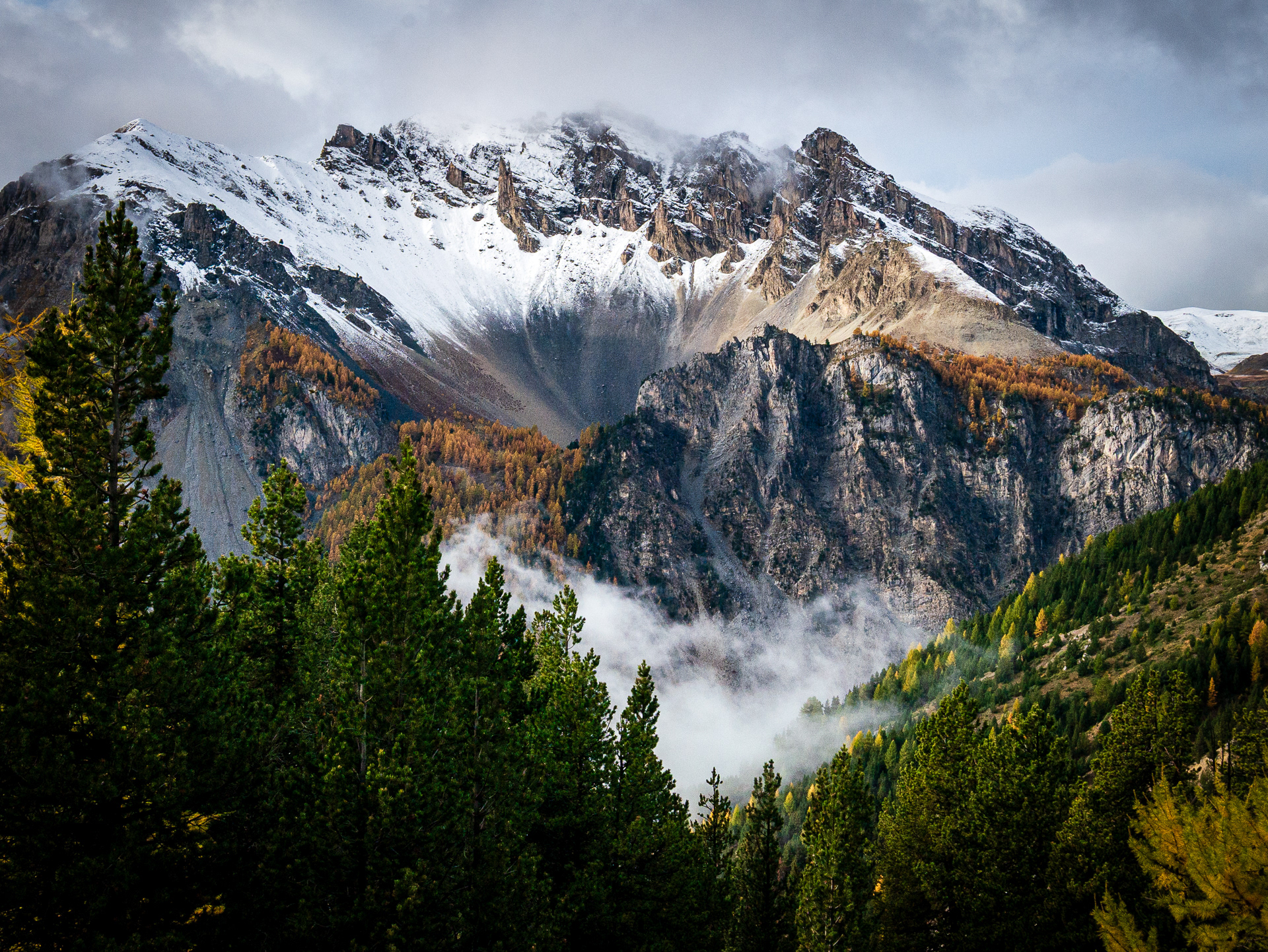
"Small sensors can't resolve professional landscape detail. You can't do serious landscape photography with a pocket camera."
Natalie Romana Albers (2025)- The Sentinel
Taken at 1/640th sec at f/8.0 ISO 200 24 mm on a Panasonic GF7, 16mpx sensor using a LUMIX G VARIO 12-32mm f/3.5-5.6 kit lens. The image was cropped down from it's native 4592x3448px resolution to 3452x2592px in post processing.
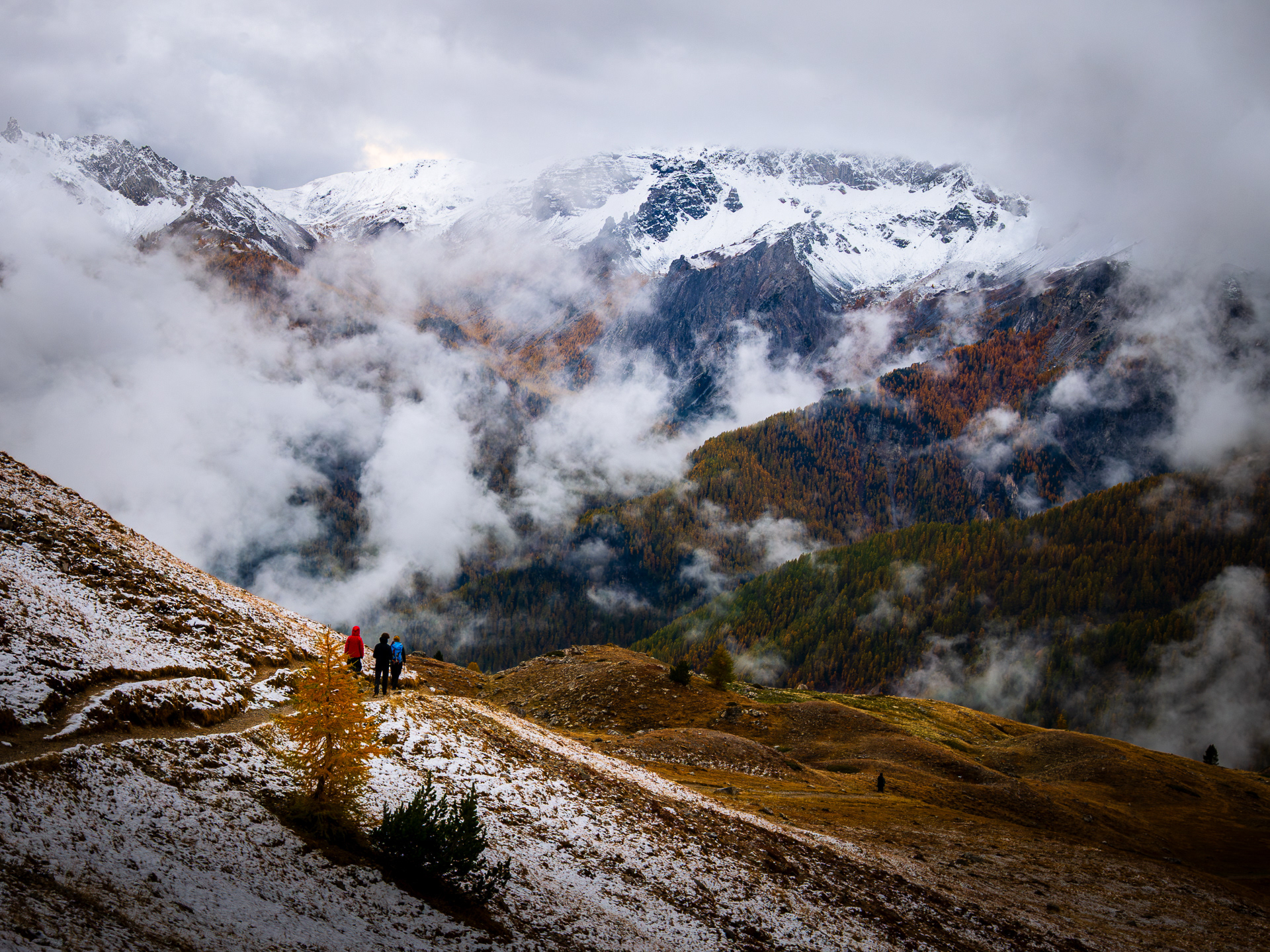
"Atmospheric perspective is an optical luxury that small sensors simply cannot afford. When you stack layers of fog and snow, the MFT sensor loses the 'micro-contrast' required to keep the background from looking like a flat backdrop. To feel the scale of the mountains, you need the physical size of at least a full frame sensor; anything else is just playing with toys in the dirt."
Natalie Romana Albers (2025) - Pilgrimage to the undeniable peak
taken at 1/320th sec at f/8.0 ISO 200, 32 mm on a Panasonic GF7 using a LUMIX G VARIO 12-32mm f/3.5-5.6 kit lens
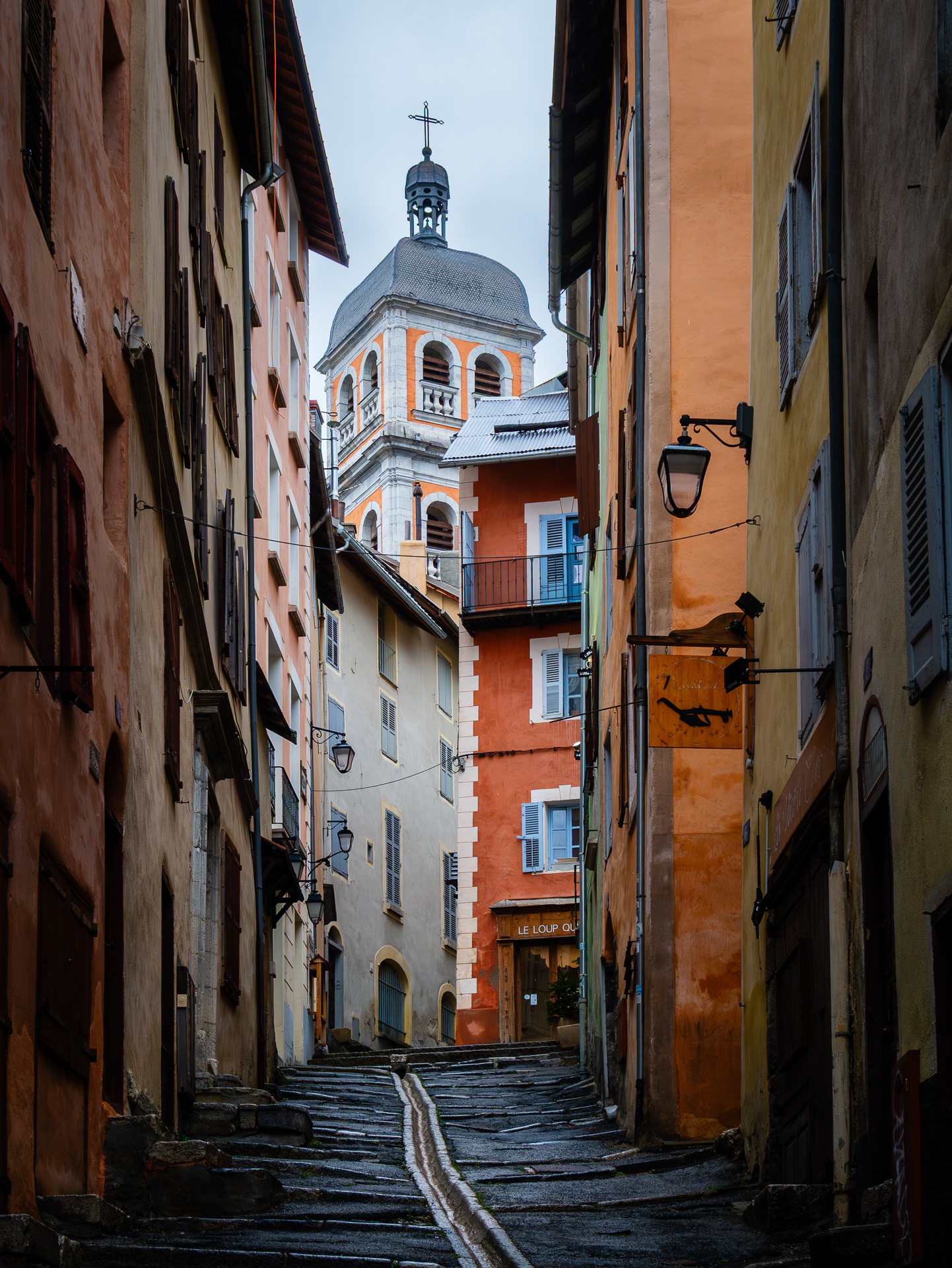
"Small cameras lack professional dynamic range and colour depth."
Natalie Romana Albers (2025) - Climb to the Church
Taken at 1/80th sec at f/7.1 ISO 400, 32 mm on a Panasonic GF7 using a LUMIX G VARIO 12-32mm f/3.5-5.6 kit lens
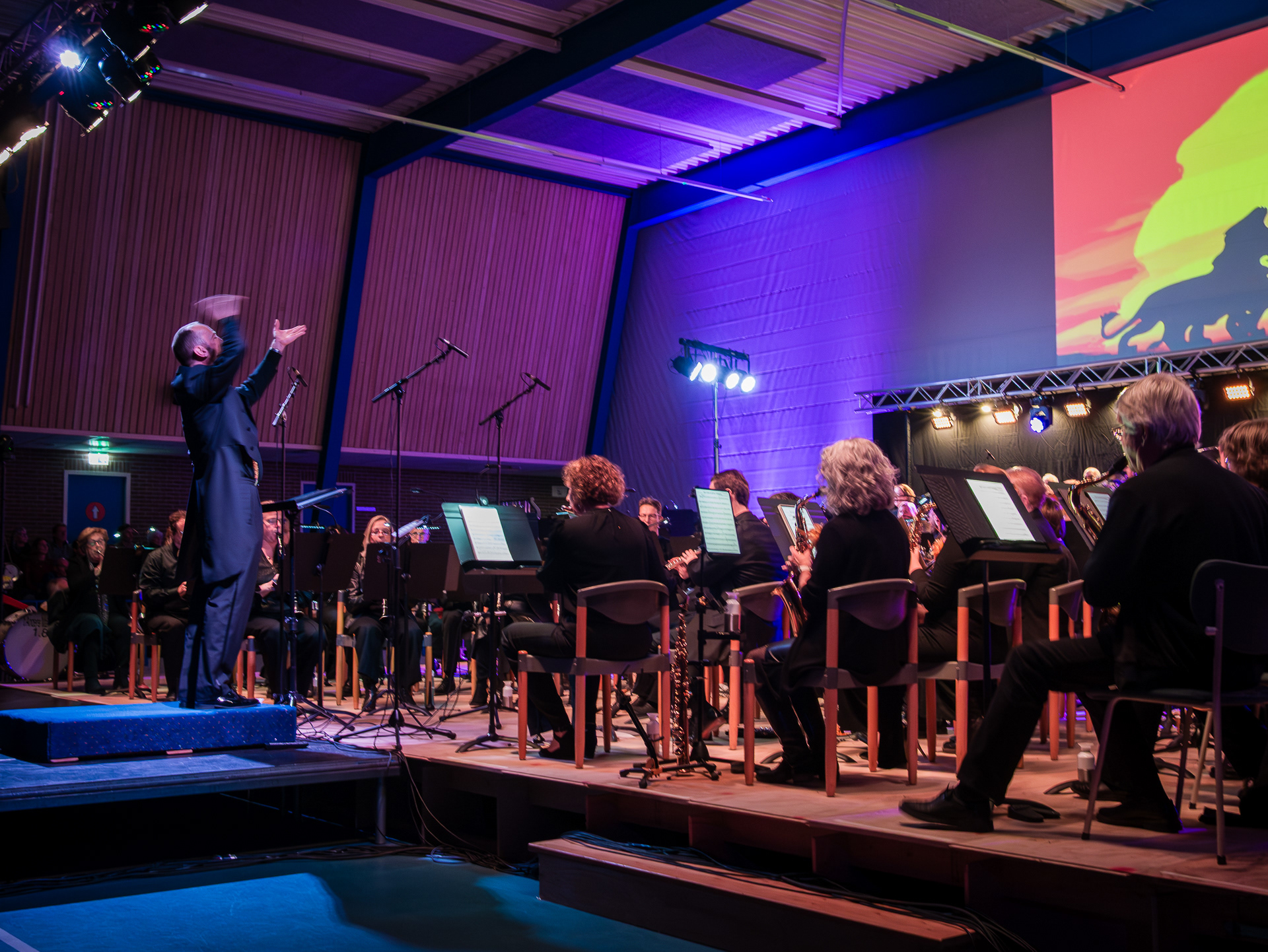
"Live performance demands the high-speed readout and low-light SNR of a professional body. A small, consumer-grade camera cannot track motion or preserve color depth in a mixed-light environment. Any attempt at 'creative motion' at slow shutter speeds on such a device is just a convenient excuse for a sensor that can't handle the dark."
Natalie Romana Albers (2025) - The Lion King
Taken at 1/15th sec at f/4.0 ISO 1600, 20 mm on a Panasonic GF7 using a LUMIX G 20mm f/1.7 II lens
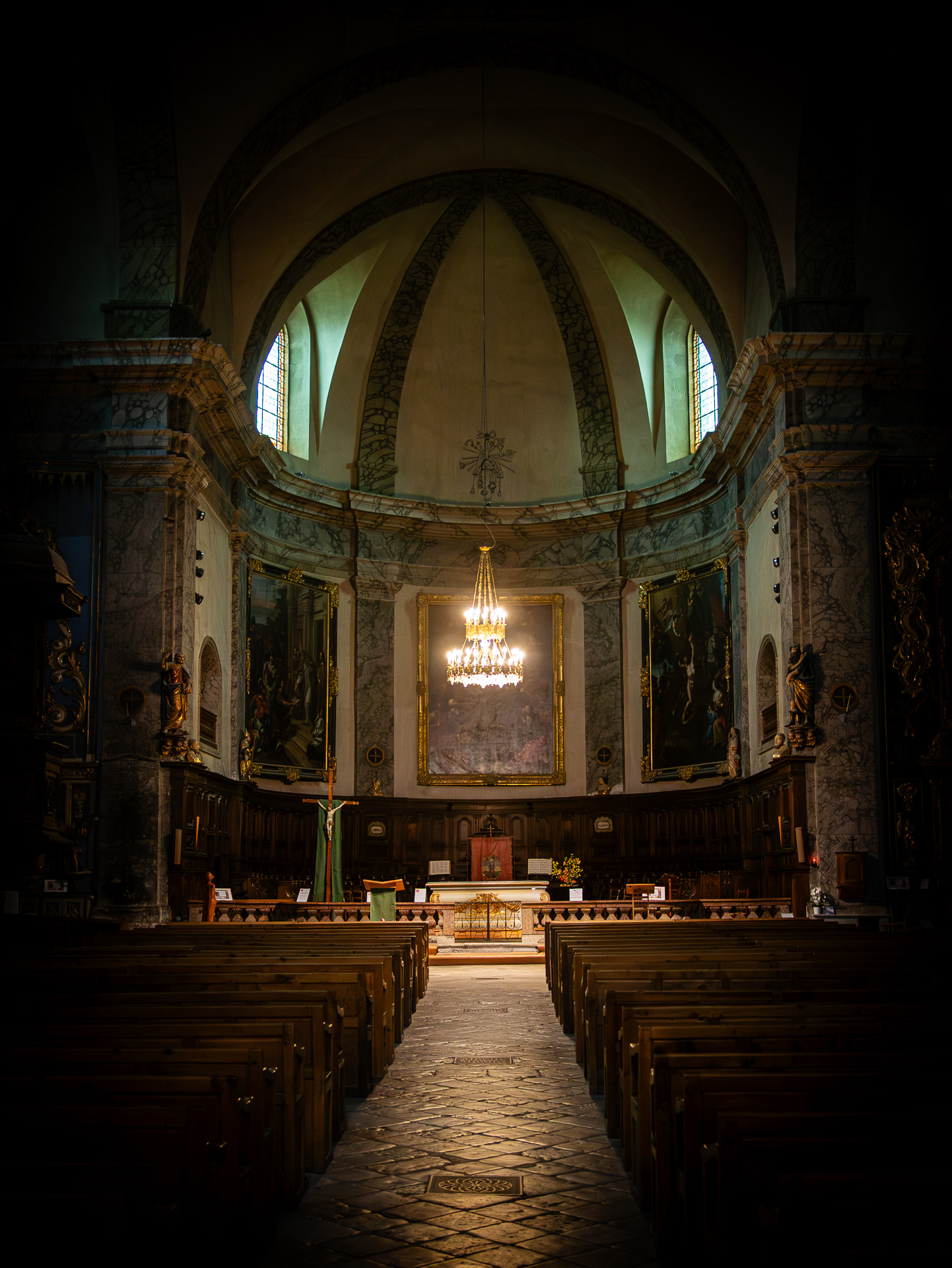
"Architecture is the study of shadow and light, and a small sensor simply lacks the well-depth to handle an interior's dynamic range without aggressive, 'crunchy' noise in the shadows. To shoot at ISO 1600 on a consumer body is an exercise in futility"
Natalie Romana Albers (2025) - Reverence
Taken at 1/50th sec at f/1.7 ISO 1600, 20 mm on a Panasonic GF7 using a LUMIX G 20mm f/1.7 II lens
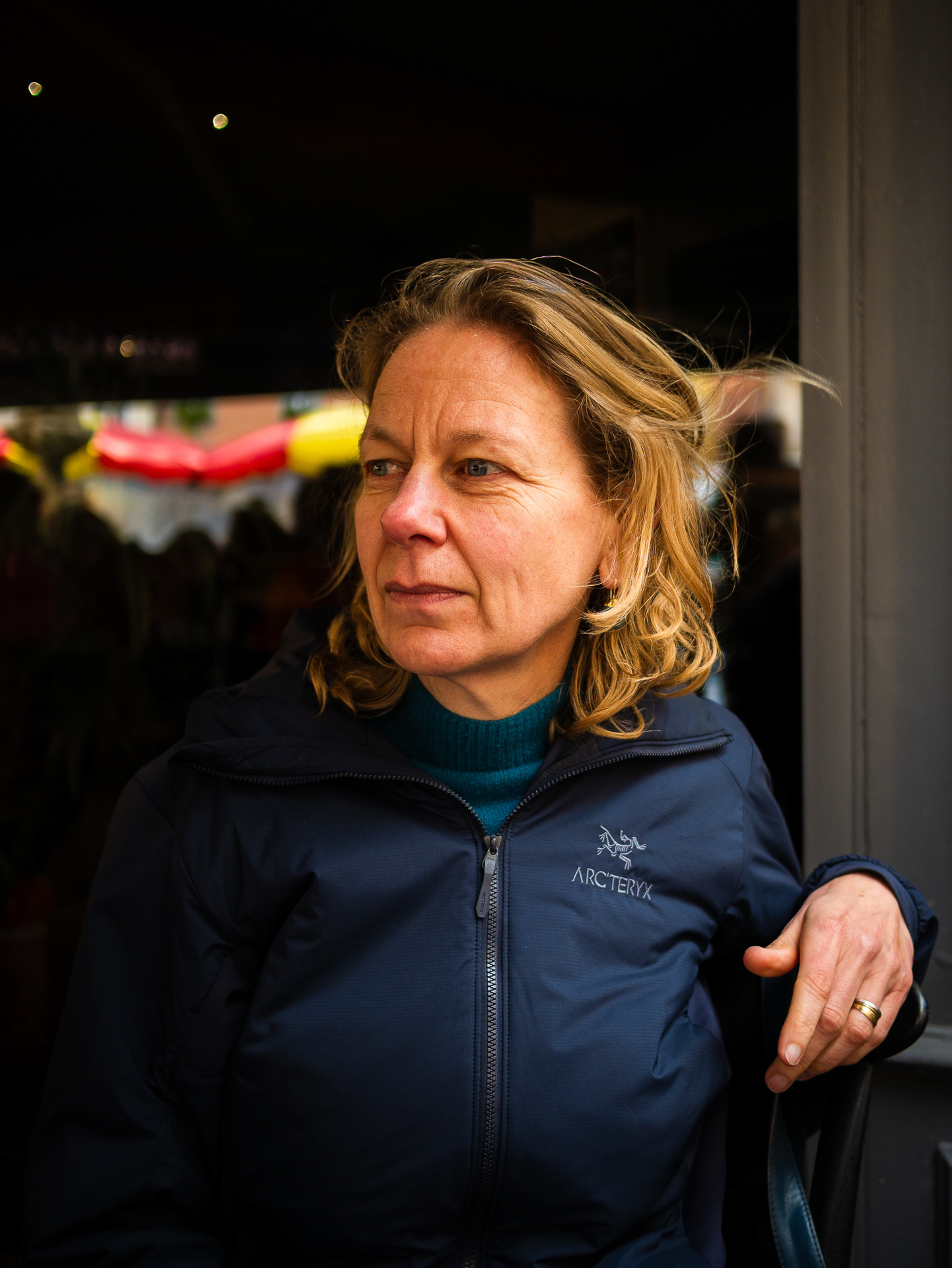
"Micro Four Thirds cannot render a 'proper' portrait. Without the physical diameter of full-frame glass, you get a clinical, flat rendition where skin tones lack 'soul' and the fall-off into bokeh feels manufactured and nervous. If you aren't shooting an 85mm f/1.2 on a 45MP sensor, you aren't capturing a person; you're just taking a passport photo."
Natalie Romana Albers (2025) - Nienke
Taken at 1/400th sec at f/1.7 ISO 200, 20 mm on a Panasonic GF7 using a LUMIX G 20mm f/1.7 II lens
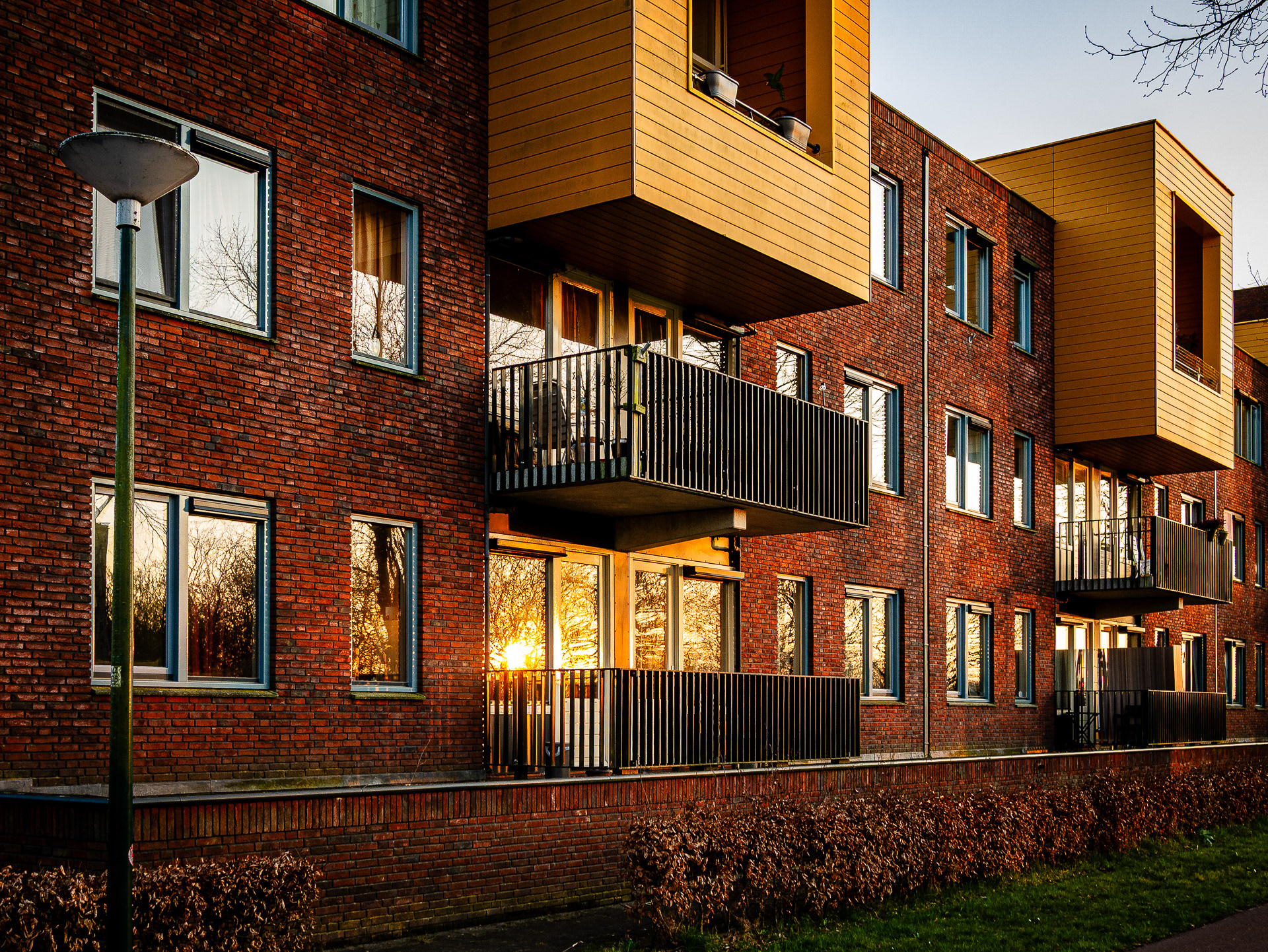
"Brick and glass are the ultimate tests of a sensor's resolving power. A small sensor will inevitably suffer from moiré on the textures and 'haloing' around high-contrast light reflections. Unless you have the dynamic range of a modern professional sensor, the sun in the window will be a digital blow-out that destroys the geometry of the frame."
Natalie Romana Albers (2025) - Sunset on Windows
Taken at 1/60 sec at f/5.0, ISO 320, 20 mm. On a Panasonic GF7 using a Lumix G 20mm f/1.7 II lens
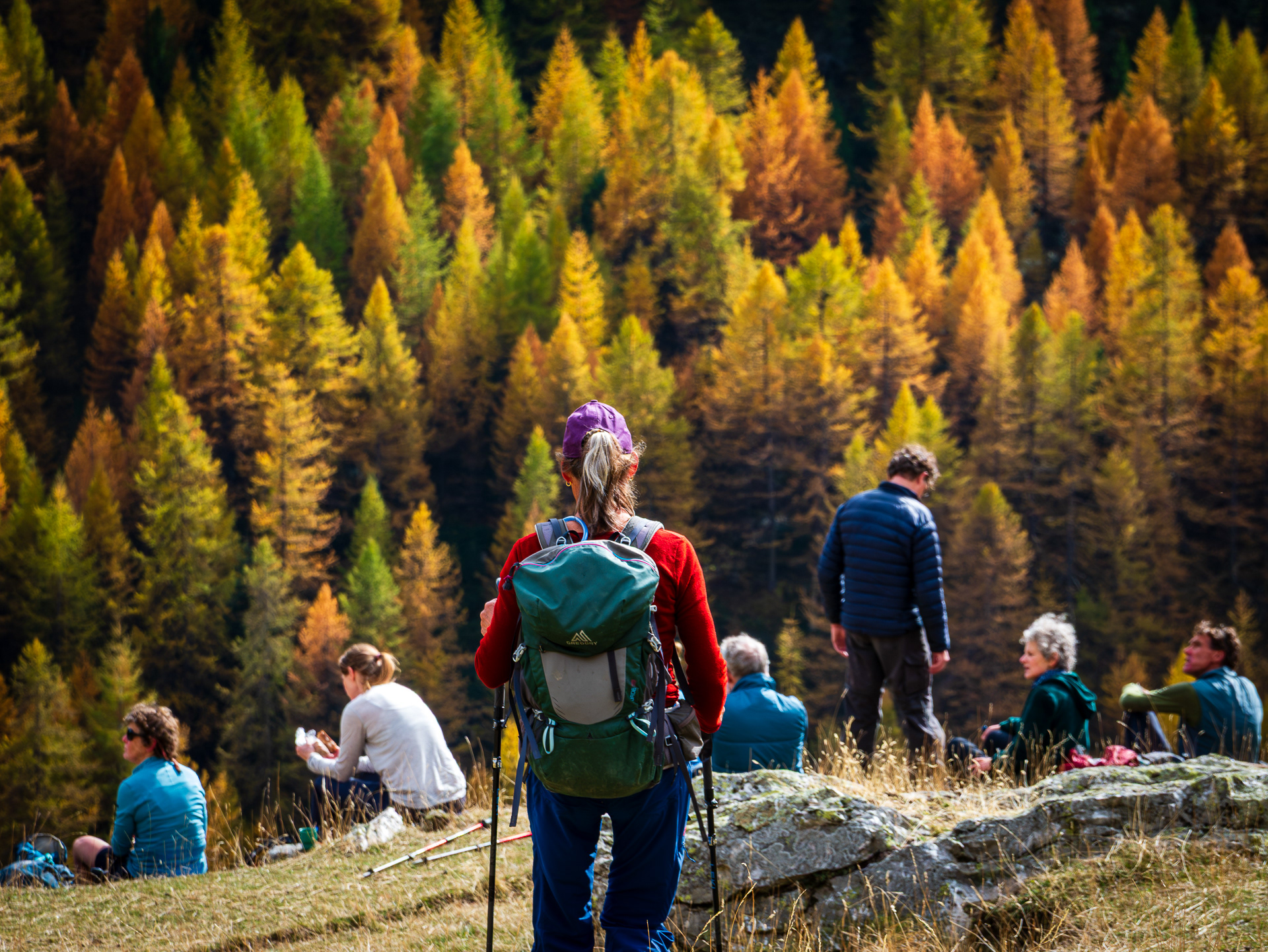
"Telephoto compression on a crop sensor is a lie. Because the sensor is small, you never get that 'cinematic stack' of a true 200mm lens on a full-frame body. The background will always feel like a cardboard cutout rather than a textured environment. If you want scale, you have to carry the weight of real gear."
Natalie Romana Albers (2025) - Autumn Rest
Taken at 1/250 sec at f/8.0, ISO 250, 100 mm on a Panasonic GF7 using a Lumix G Vario 35-100mm f/4.0-5.6 lens.
The total weight of camera + lens is 401g. Less than the weight of a professional 70-200mm zoom lens alone.
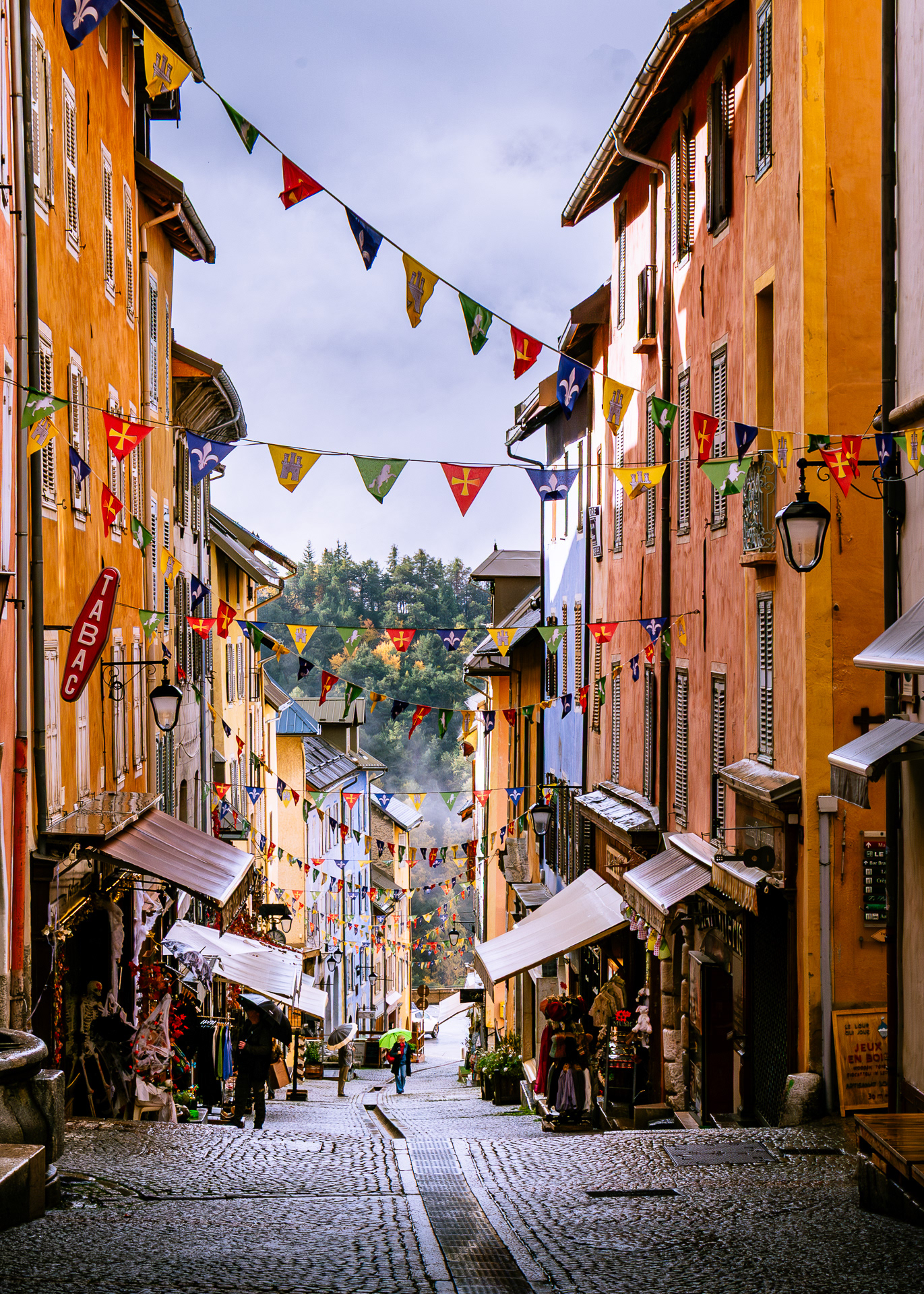
"A camera without a viewfinder is just a glorified smartphone. You cannot achieve 'Fine Art' composition on a rear LCD screen; the lack of immersion means you're just pointing and hoping."
Natalie Romana Albers (2025) - Going down Main Street
Taken at 1/200 sec at f/10, ISO 200, 32 mm on a Panasonic GF7 using a Lumix G vario 12-32mm f/3.5-5.6 kit lens.
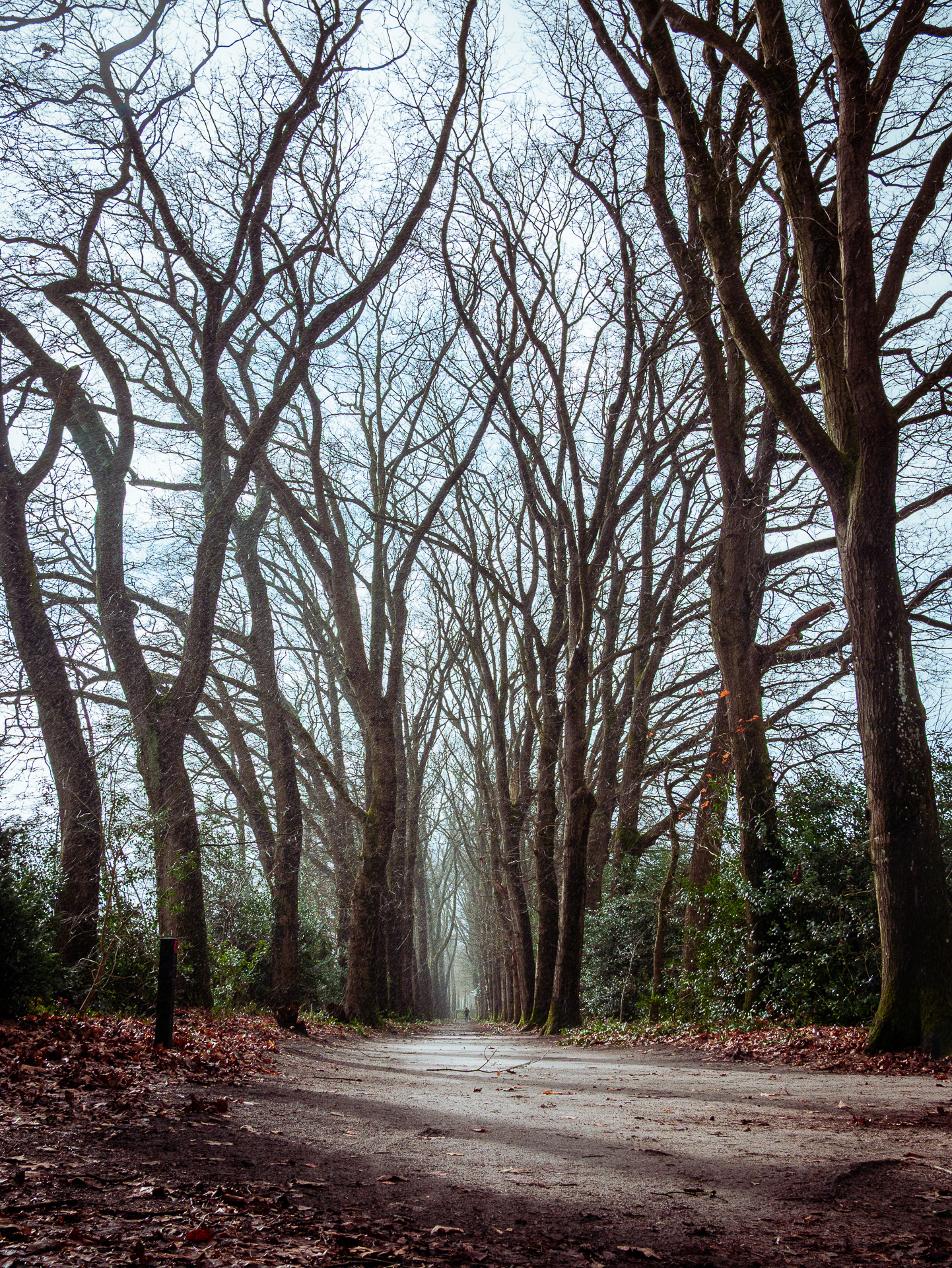
"Symmetry requires a level of precision that a consumer body simply lacks. The fine, interlocking branches of a forest canopy are a nightmare for small sensors, leading to 'purple fringing' and a total loss of detail against a bright sky"
Natalie Romana Albers (2026) - Green Cathedral
Taken at 1/250th sec at f/8.0, ISO 200, 20 mm on a Panasonic GF7 using a LUMIX G 20mm f/1.7 II lens
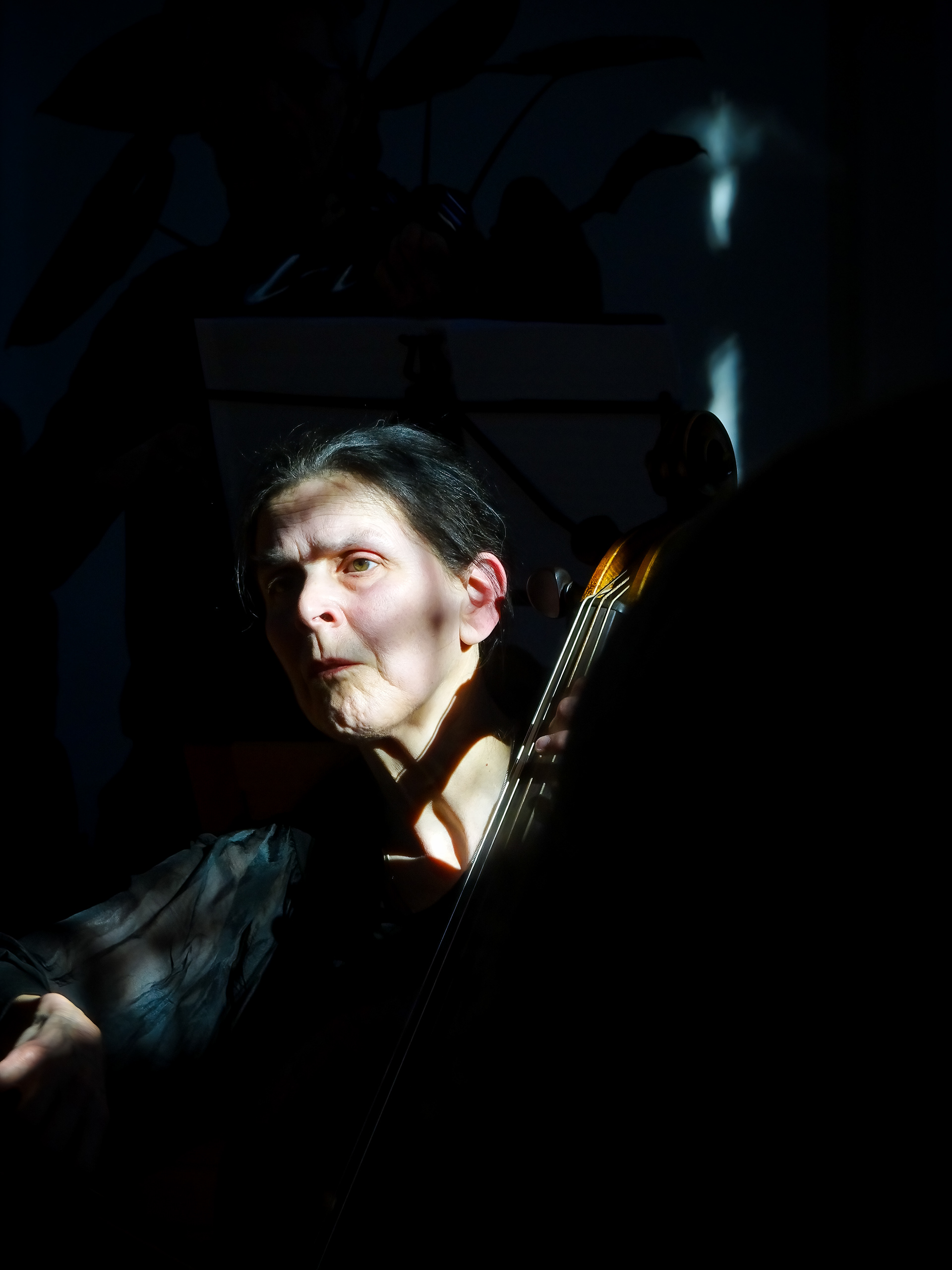
"Consumer travel zoom point-and-shoot cameras are toys. They lack the sensor size and dynamic range to take truly artistic photos. With no RAW option, you cannot possibly compensate for the limitations of the camera rendering."
Natalie Romana Albers - Cellist at Baroque Concert (2025)
Taken at 1/200 sec at f/5.6, ISO 125, 29.57 mm using a Sony Cybershoot HX90 (1/2.3" sensor) in spot metering mode. This camera does not have a RAW image mode.